









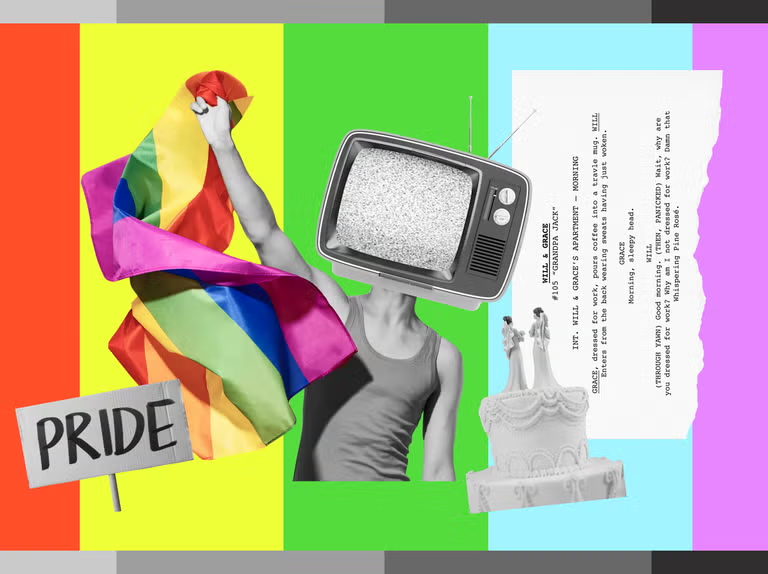




The journey of the LGBTQ+ community in America has been a long and wearisome one, marked by the necessity of secrecy or hiding one’s true self from a society that so often scorns people simply for being who they are or for loving who they love.
Recently though, LGBTQ+ love has gone from whispers meant to hide a part of oneself to taking center stage. From bestselling books that explore what it means to be LGBTQ+ and how it is to love someone part of the LGBTQ+ community, to films that follow queer relationships and highlight their beauty and resilience, LGBTQ+ media has risen to the mainstream and began to reshape the way our society chooses to not only to view their stories, but also how to tell them.
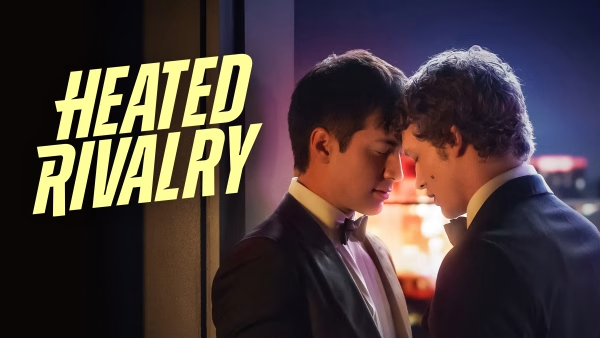 If you have a phone and any form of social media, then it is likely you have heard of Heated Rivalry, the hit HBO Max adaption of Rachel Reid’s novel. The show follows the best two male hockey players in the country as they fall in love over the course of a decade. The actors and directors often reflect in interviews their surprise at how well-received the show was, as they hadn’t expected it to take off. But instead of simply doing well, Heated Rivalry quickly became a beloved fan-favorite show that bred a community of fans rooted in support and love of the show, the cast, and the LGBTQ+ community.
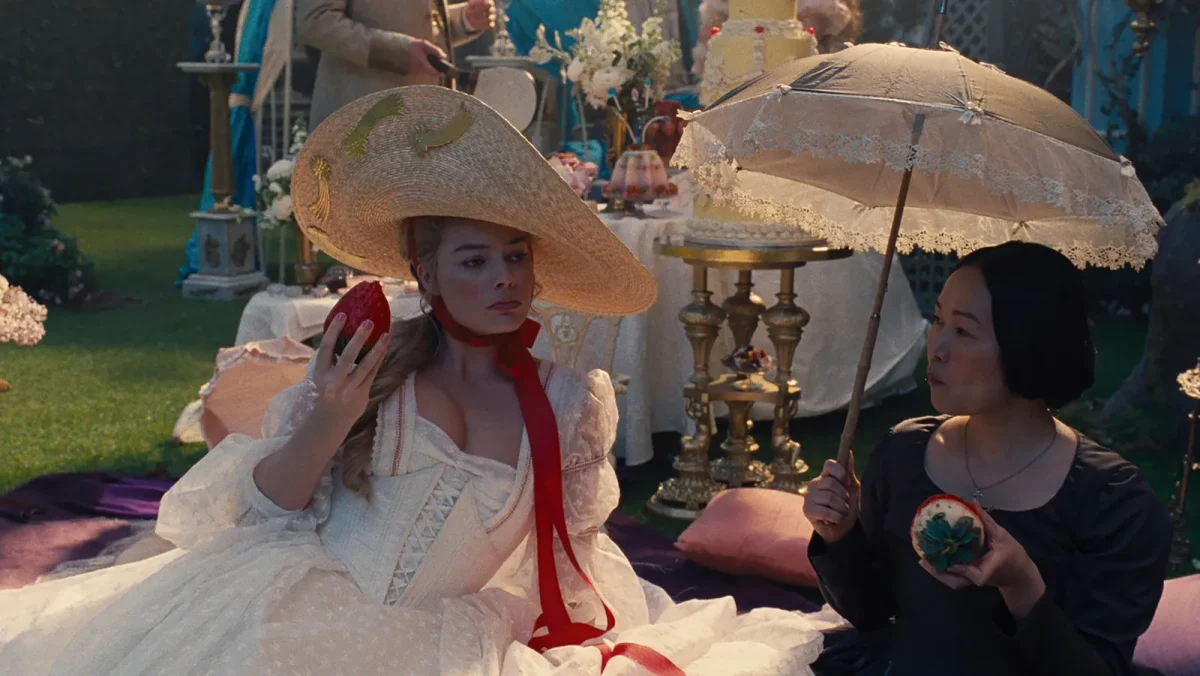
Throughout the past few decades, countless movies, shows and novels centering around queer love have gained popularity. Titles like “Call Me By Your Name”, “The Song of Achilles” “Brokeback Mountain”, “Challengers”, “Moonlight”, and so many more have all been released in the 21st century, and they reflect a shift in what society values in their media: representation.
Throughout the 21st century, the LGBTQ+ community and its allies have been fighting for equal rights for all humans, regardless of who you love or how you live. On June 26, 2015–a little over ten years ago– same-sex marriage was legalized in the United States of America, and the American LGBTQ+ community was invited to live in the same freedom of love that the rest of our country gets to experience. After the legalization of same-sex marriage, many other issues the LGBTQ+ community gained more awareness, like transgender rights. In 2020 the Supreme Court of the United States ruled it unconstitutional to discriminate on the basis of gender identity or sexual orientation, marking an important shift in our country towards one of acceptance and equality. It seemed that despite the persisting problems the LGBTQ+ community faced, that our society was making strides in acceptance and progress in the fight for equality.
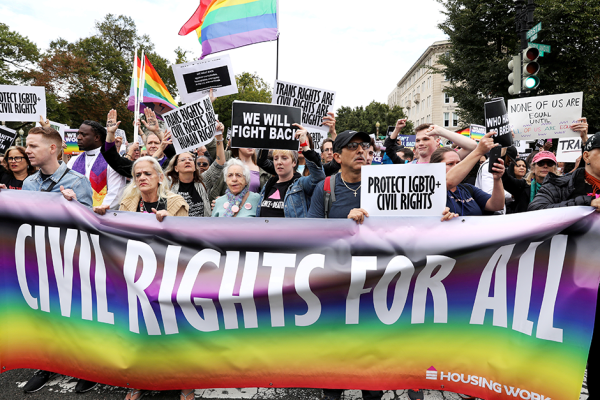 Instead, our country seems to be regressing from the progress made for freedom within the LGBTQ+ community. There has been surges in anti-LGBTQ bills passed in America–with record numbers of those laws affecting transgender people specifically– increasing restrictions on gender-affirming care, a decline in the perceived need for LGBTQ+ rights, rises in LGBTQ+-targeted violence, and overall backlash to any sort of queer pride.
Right now America is facing a choice, to go back to the past and to revoke the freedoms that the LGBTQ+ community, and the American population, has fought for in order to return to a time where people were not able to love or express themselves freely; or to fight for our fellow Americans, regardless of who they love or how they live.
Despite our society currently struggling with a lack of acceptance for the queer community, the movies and books that highlight queer love and experience are having tremendous success and finding places in the hearts of Americans from all walks of love and all ways of loving. 21st century queer media is emblematic of the people whose stories it represents–resilient, strong, beautiful and proud of the stories it tells, regardless of what others may say.
In the context of hate and rejection, queer media promotes love, inclusivity, community and unconditional confidence in who you are. And that is why despite the oppressive laws, the hateful words, or the ignorant people who oppose the LGBTQ+ community and their right to freedom, they will continue to live and love–and we will continue to enjoy and celebrate their stories.