









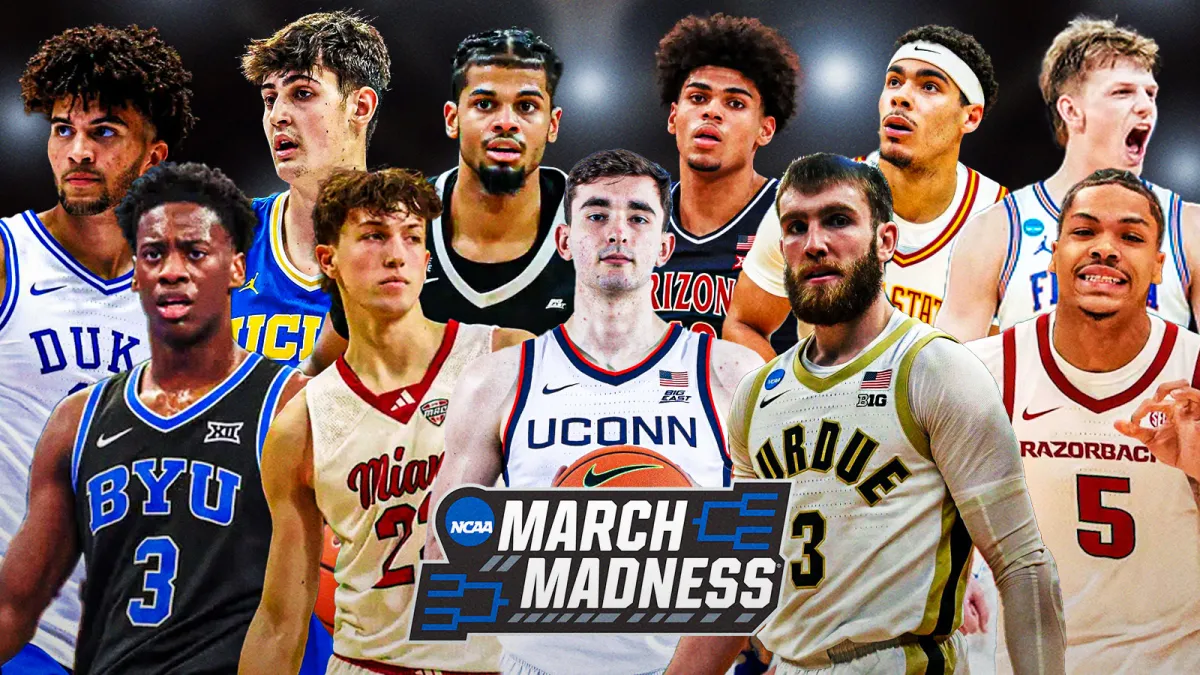








March Madness is one of the most popular sporting events in the United States. The tournament first began in 1939 with only 8 teams and now has expanded to 68 teams almost 90 years later. Understandably, there has been a lot of changes in society since the 1930s, and the game of basketball has changed with it. Like all things, some of these changes have improved the game for both the players and the audiences, but others not so much. The concern over the future of college basketball has been the topic of conversation for many years, but it seems this year’s tournament has sparked more controversy than ever before.
New “win-now or you’re gone” mentality

Now more than ever, it seems coaches are staying at schools for shorter periods of time, largely because of the expectations set by these programs. Many coaches, especially those at blue-blood schools, are expected to live up to a program’s historic success, and do so quickly. Hubert Davis, the former coach of UNC which is one of the most highly esteemed basketball schools in the country, was fired after several disappointing seasons and early NCAA tournament exits. Despite leading the Tar Heels to a Final Four in 2022, the program still chose to part ways with Davis after their first-round loss to VCU this year. Former Villanova coach Kyle Neptune and Kansas State coach Jerome Tang have faced similar challenges as Davis and similar consequences.

This “win-now or you’re gone” mentality has led to a lack of stability within programs and has made it very difficult for coaches to build long-term success. Bill Self, a highly regarded basketball coach, took fifteen years to win his first national championship with the Kansas Jayhawks. Former coach of Duke, Mike Krzyzewski, took eleven years to bring home the victory for the Blue Devils. Clearly, these accomplishments do not happen in under five years like these programs are hoping for, and as these expectations continue to rise, the role of a college basketball coach is becoming less about long-term growth and more about immediate results.
NIL and the transfer portal: are they ruining college basketball?

Have you seen top college basketball players promoting brands or appearing in commercials during the season? Chances are, you have, and that is largely due to the introduction of Name, Image, and Likeness. In 2021, the NCAA adopted NIL, a policy that allows college athletes to receive compensation for endorsements, social media promotions, and public appearances without loosing their eligibility (ESPN). While NIL has created financial opportunities for these athletes, its impact on college basketball has been widely debated and many believe that the sport has begun to shift in a negative direction. NIL has contributed to an uneven playing field and players at powerhouse schools or with large social media followings benefit far more than those with fewer opportunities.

As a result, some athletes are no longer choosing programs based on coaching, development, or best fit, but instead on which school offers the highest potential financially. This shift in priorities is changing the culture of college basketball and moving it away from its traditional emphasis on team success and player growth.
Another factor of the deteriorating culture of college basketball is the transfer portal. The rise of the transfer portal has changed college basketball in a way that many believe is hurting the sport’s culture. Players no longer have any loyalty to a program and switch to other schools much more often than they used to. Whether it be for more playing time, better opportunities, or NIL money, the constant moving around is making it harder for teams to build chemistry. Fans also struggle to connect with players when rosters change every year. Instead of growing as a team over multiple seasons, teams and coaches are forced to rebuild almost every offseason.

It is no secret that the college game of basketball is moving in a concerning direction and will likely continue to lose sight of it’s traditional values of teamwork, togetherness, and fair play. Especially with the uptick in NIL opportunities and impatient programs, there is a lot of uncertainty surrounding the future of this NCAA sport.