


























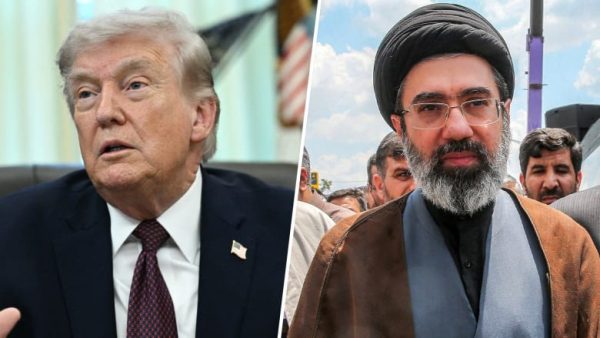
The United States is currently involved in a high-intensity, direct military conflict with Iran, launched on February 28, 2026. This US involvement is a result of ever heightening tensions between Iran and long-time US ally Israel, with the US targeting Iran’s nuclear infrastructure. President Trump’s last straw when deciding the participation in the war in Gaza was reportedly Iran’s development of missiles “capable of reaching our beautiful America.”
History of the Conflict and US Involvement:
In the early years after the formation of the modern state of Israel in 1948, Israel and Iran actually held somewhat of an allyship with both nations being against Soviet/communist influence and holding strong ties to the United States.
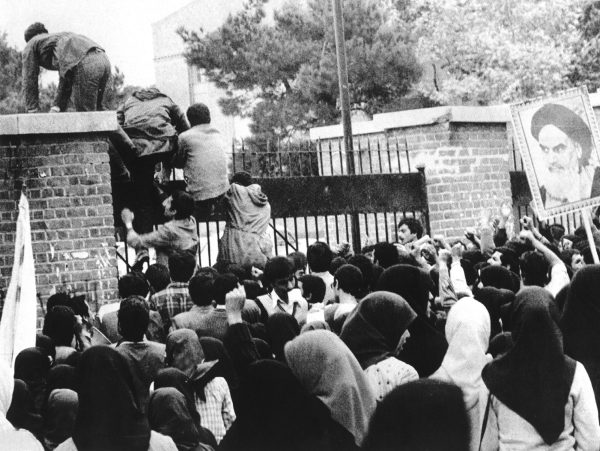
In 1979, however, a massive “people’s revolution” took place in Iran against the heavily autocratic, westernizing government of the time. Iranian’s saw the westernization as an effort from the US to erase their culture and history, ultimately revolting in an attempt to stop the spread of Iran’s subservience to the west and become independent. Tensions with the US in particular surged after the 1979 Hostage Crisis in which 66 Americans were taken hostage by rioters at the US embassy in Tehran.
The citizens of Iran experienced massive oppression from a US-Israeli backed organization known as SAVAK, which was put in place to “eliminate threats to the Shah” (Iran’s imperial ruler at the time). Elimination often meant the capturing, torturing, and killing of any Iranians who opposed the government.
Following the revolution and subsequent overthrowing of the Iranian government, a series of proxy wars from the 80s into the 2000s raised tensions between the US/Israel and Iran until the October 7 attacks from Hamas in 2023 finally brought direct war between the two.
Today’s Events:
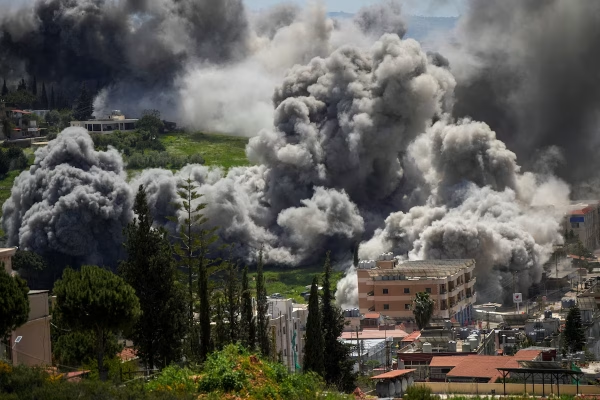
Some of the most recent events from the conflict include Iran stopping all exports following Israeli strikes on infrastructure and the expansion of battles into neighboring countries such as Lebanon. While a ceasefire has been put in place between Israel and Lebanon, it is notably fragile and if prior attempts at ceasefires serve any indication, this one won’t last.
How the Conflict Affects US Citizens:
While the US administration is in full support of all efforts in the middle east, it is becoming apparent that more and more American citizens on either side of the political isle are growing resentful towards the policies regarding this war, with many of Trump’s former supporters voicing outrage that the promise of “no new wars” was not upheld.
On social media, supporters of Palestine have criticized the US government as seeming to more often place efforts on supporting Israel rather than the needs of the American people. This “Israel First” critique we see in the US today interestingly parallels the unrest of the Iranian people in the 1970s.


