


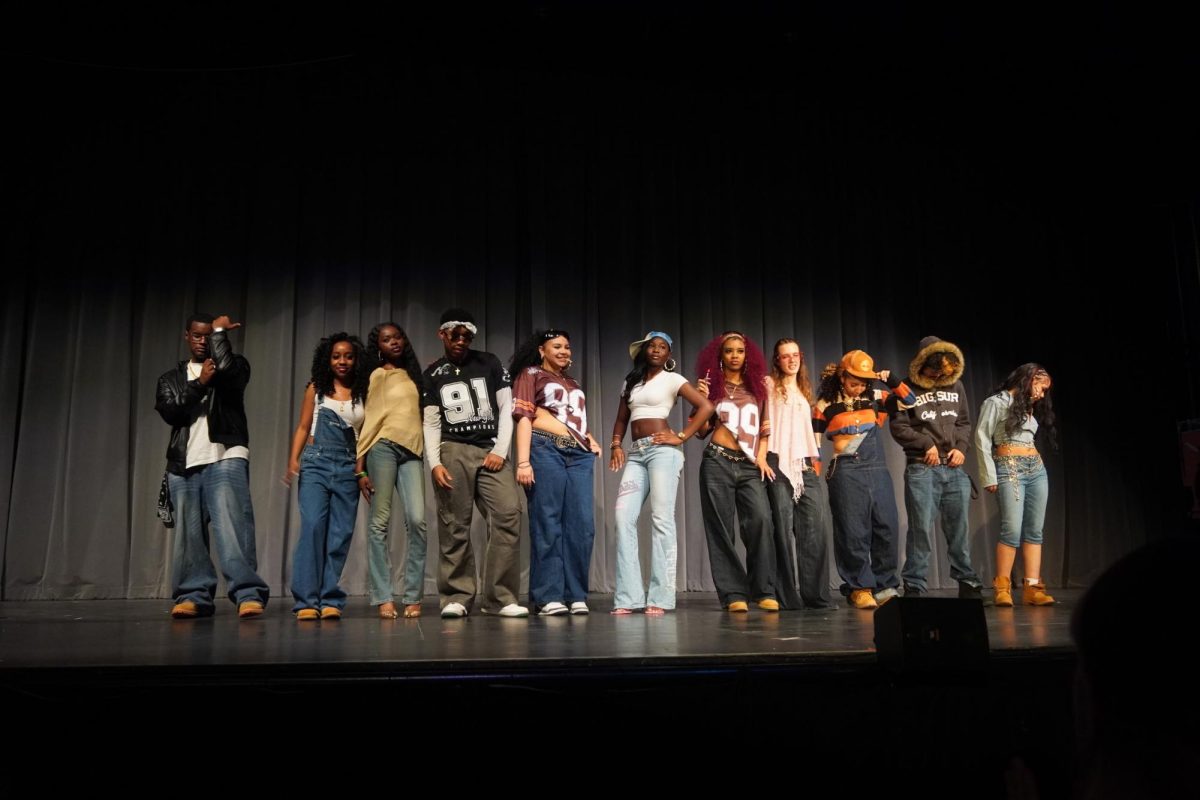


















Every year on the third Monday of January, Americans honor civil rights activist Dr. Martin Luther King Jr. and the beliefs, legacies, and dreams he left behind. King was a critical contributor to the Civil Rights Movement and he utilized nonviolent protests, powerful speeches, and handwritten letters to challenge the racial inequality he saw in our country. Now, almost 60 years after his final protest, we continue to honor and remember the man whose words reshaped a nation.
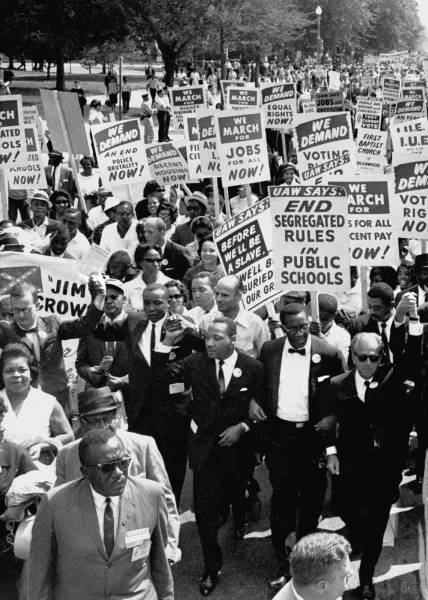
Martin Luther King Jr. Day is often recognized through ceremonies and time off from school, but Dr. King’s legacy goes far beyond a single day. Assistant principal Zach Peterson shared how he believes that “honoring Dr. King’s legacy is less about words and more about consistent, principled actions in our daily work.” In Peterson’s role as an assistant principal, he emphasized the relevance of Dr. King’s lessons and how “in a school setting, that translates into building trust, setting clear expectations, and supporting students and staff in a way that encourages growth and accountability.”
Dr. King’s words continue to be taught in schools and are meant to teach kids about the power of speaking up and protesting against issues they care about. King famously said “injustice anywhere is a threat to justice everywhere…we know through painful experience that freedom is never voluntarily given by the oppressor; it must be demanded by the oppressed (naacp.com).” Teaching Dr. King’s legacy is important to Peterson as he shared that he believes “all educators have a responsibility to approach Dr. King’s legacy with humility, accuracy, and respect.” He continued by stating “that means modeling fairness, creating inclusive learning environments, and ensuring students feel seen and supported.”
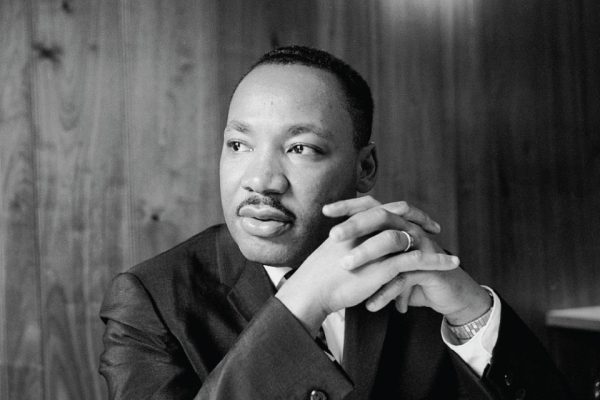
The purpose of MLK Day is to take the time to reflect on Dr. King’s work and the courage he had to speak out against something he felt was unjust. Peterson concluded by saying that Dr. King “believed deeply in education, character, and the idea that individuals can make a positive difference through everyday actions.” His contribution to the Civil Rights Movement cannot be understated and continues to have an effect on the America we know today.