

























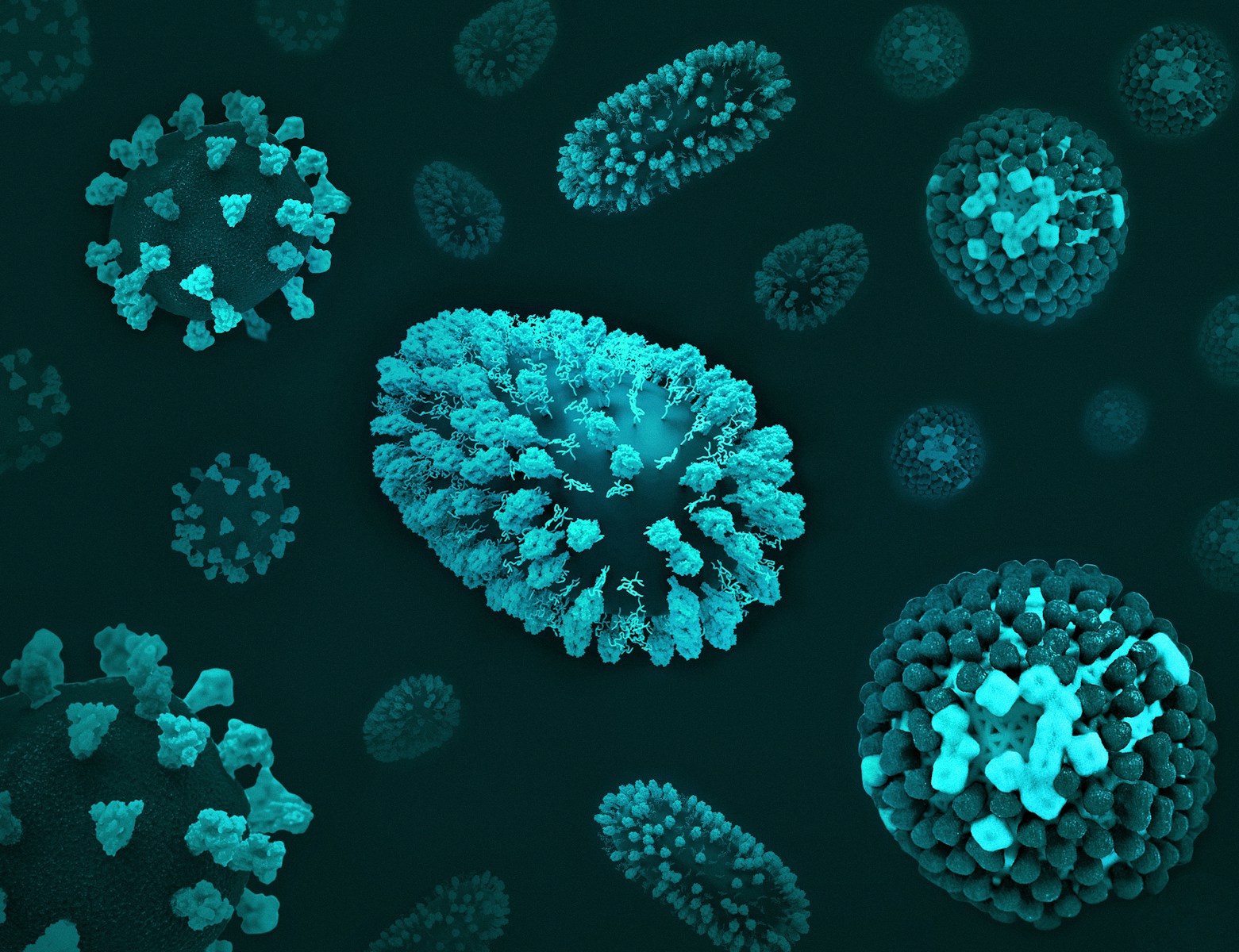
Influenza or “the flu” has been recognized for centuries as a contagious respiratory illness, with records of the virus dating all the way back to ancient Greece. Major flu pandemics throughout history such as the Spanish Flu in the early 20th century have largely been responsible for shaping our modern understanding of diseases. Such breakouts have led to numerous scientific breakthroughs in discovering how viral diseases work and the development of vaccines in the 1940s.
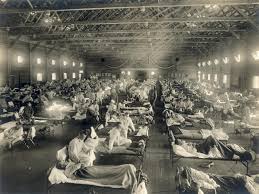
In the United States, “flu season” is known to span from fall to spring, with cases starting around October, peaking between December and February, and lasting as late as May.
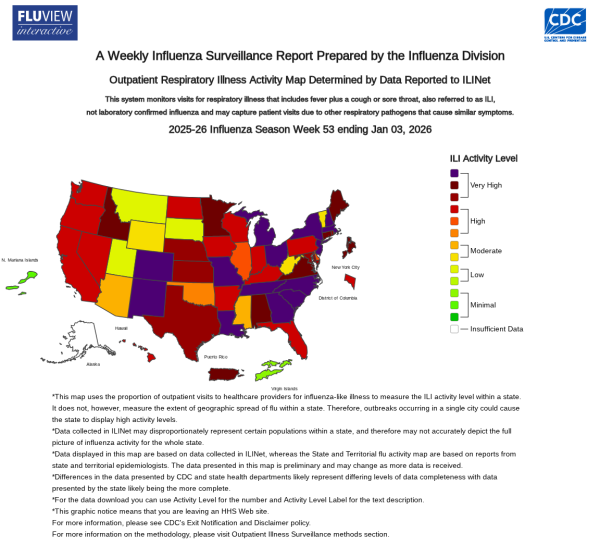
While cases already seem to be dying down, this year’s flu season has proven to be particularly pernicious in the US with areas such as Ohio, Michigan, and New York being marked with “very high” outpatient respiratory illness activity on the CDC’s weekly influenza surveillance report.
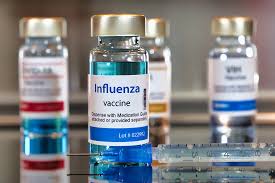
The reason behind this flu season’s unusually high number of cases is due to a new, highly mutated variant of the flu virus known as “subclade K”, a name given by the World Health Organization (WHO) after the variant’s introduction in June 2025. In order to understand why subclade K is so harmful, it is important to have a basic understanding of how modern virus vaccines work. The flu vaccine works by introducing a harmless, inactive, or weakened flu virus to the body. In doing this, the vaccine is giving the immune system a chance to recognize the virus so it is able to create protective antibodies. These antibodies will then work to prevent you from catching the flu in the future.
In the case of the new subclade K, however, it is able to evade the effects of the vaccine and infect more patients on a larger scale. This is because of two main reasons: one being that this variant of the flu is very new and therefore no one has built up any natural immunity to fend it off, and the other is that because of its heavily mutated nature it makes it very difficult to create effective vaccines that will provide sufficient immunity.
This influenza outbreak is not confined to the US borders either, new reports from the WHO state that other densely populated areas around the world such as Australia, Japan, and the United Kingdom are experiencing similarly aggressive outbreaks.


