


























As fall sports come to a close, countless Kilbourne students are re-entering the workforce, and whether students are looking for their first ever job or are on the hunt for a new one, this week The Ravine takes a dive into the pros, cons, logistics and pieces of advice for Kilbourne students looking for their first job.
One of the biggest questions that teens face when looking for jobs is when is an appropriate time to get one. While this changes for every family and kid, Mr. Davis, a Kilbourne Financial Literacy and Economics teacher, shared his insight.
He told us, “I would say a great time for a student to get their first job would be when they can drive, because transportation is essential. So I would say around 16 or 17 years old.”
Once students figure out they are ready to and capable of working, the hard question follows: What am I going to do?

Most high school jobs are not valued from the real workplace experience students will acquire, so often it can feel hard to choose one. High schol seniors Elizabeth Bennett and Madeline Zeher shared their experiences with searching for a job. Elizabeth has had a job at the Hollister in Tuttle Mall for a year, and Madeline has been serving at Brookdale, a local retirement home, for over a year. When we asked both girls about how they found their jobs, they explained that recommendations from friends played a big role in their decisions. Elizabeth added, “I love clothing and have always loved Hollister. They were also conveniently hiring at the time I was looking”.
This may seem like a silly note, but making sure that companies are hiring is important. It is also always a good idea to go somewhere with at least one familiar face. This can help the hiring process run smoothly and can help you when acclimating to the new work environment. No matter what you are doing, having your first job is an adjustment and and sense of familiarity can be crucial to your success.
Mr. Davis also shared a few guidelines for student jobs. He laid out, “And I would say that any work that’s relatively simple and that doesn’t stress you out outside of your job, because you’re there just to learn basic, you know, time management skills and to make a little bit of money.”
It can feel daunting to search for a job that checks all the boxes, but the most important thing to make sure you find the best place is to take the first step and apply! Get an interview and come prepared with questions about things that matter to you in a workplace–like atmosphere, scheduling flexibility, pay, dress code, etc– in order to give yourself peace of mind before taking the job. Common jobs for high schoolers include hosting/hostessing and serving at local resturants, working in retail, babysitting, lifeguarding, or coaching youth sports. All of these positions and more will provide you with both valuable experience and new skills you will be able to carry with into the future.
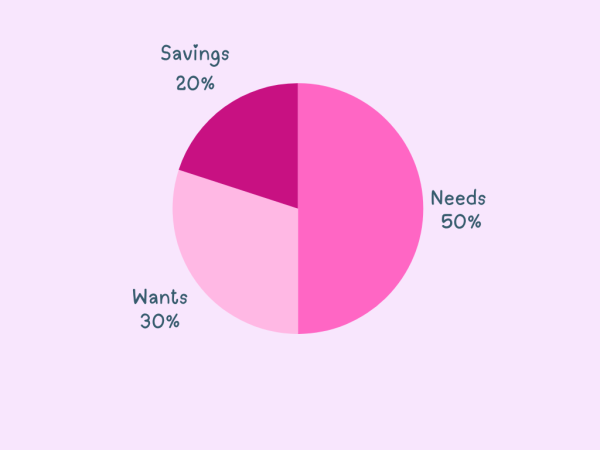 While kids love to say they want a job for more responsibility or to fill their time, for most kids, money is the motivator–and who can blame them! While getting the first paycheck is a great feeling, there is danger in not managing money, especially when students are first getting used to bigger, bi-weekly paychecks. Mr. Davis shared some tips to help practice smart money moves. He says, “The 50-30-20 rule is essential”, referencing the budgeting rule where 50% of income goes into essentials, 30% goes to wants, and 20% goes to savings. He acknowledges, “I will say that is not a fully realistic approach to somebody with a first time job just because you’re not going to have the same demands, but it’s a good mind frame to get into.”
Although earning money is motivation enough for many students, it’s easy to see why theres still hesitation from some when it comes to getting a job. Madeline and Mr. Davis shared their opinions of the value of working in high school.
Madeline shared, “I’ve learned a lot of problem solving a time management. The residents aren’t always the most cooperative so my patience has also grown a lot. I’ve also learned a lot about how to take accountability when things go wrong.” She also shared, “The best part is getting to talk and become friends with the residents – they are some of the coolest people out there.”

Mr. Davis echoed these values and also shared, “It just teaches you time management skills. It can help with balancing the demands of school and work while also making time for friends and athletics. It is absolutely a picture of what the real world will be like, where one of your most essential skills will be time management and getting work done at work so that your time at home can be yours.”
Working in high school can sometimes feel daunting or seem to overload student’s plates, but the experiences are always rewarding and something all students who are capable should try out. Beyond earning some extra cash, working provides life skills such as time and money management that will extend long after your time in high school, and with the right job you will unlock a new environment where you can thrive, turn coworkers into friends, and gain experiences that will serve you long after your time in high school.