










As a lover of broadway musicals and movie musicals alike, I fully expected to enjoy and appreciate Wicked upon my first watch. What I didn’t expect was to be blown away by the production, the cast, the talent, and even the storyline, as I hadn’t seen Wicked as a play and essentially went in with no prior knowledge.
I think it’s safe to say that Wicked lived up to the decades worth of anticipation from the musical’s fans while still providing a new presentation that engaged audiences across the world: musical-lovers and non-musical-lovers alike. A feat worth celebration, until fans and producers began to think about the second part, leaving some big shoes, perhaps even some red ruby slippers, to fill.
I would argue that Wicked: For Good filled those red ruby slippers even more perfectly than Dorothy!
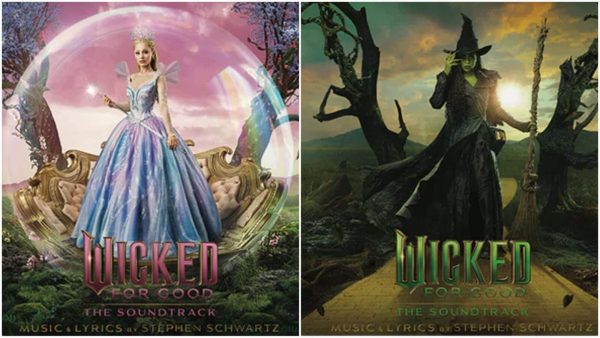
One of the best things that Wicked: For Good brought to the table was two new songs for their leading ladies, ‘No Place Like Home’, Elphaba’s anthem of inner resilience, and ‘The Girl in the Bubble’, Glinda’s ballad of self-reflection and realization.
The songs ingeniously incorporated elements from the original movie, the Broadway production, and more modern media to create two songs that not only develop the characters and further the plot but also add to the dazzling effect that earned the first movie so much of it’s accolades.
Another aspect that set this movie apart was the actors portrayal of the traditional characters as they fulfill their new roles in the movie. Although some characters remain essentially the same, there is a shift in most from the first act to the second, and while some changes more drastic or visible than others, each actor spun their character and their character’s change in a way that blended together their development and tweaked the narrative of the movie in a unique way.
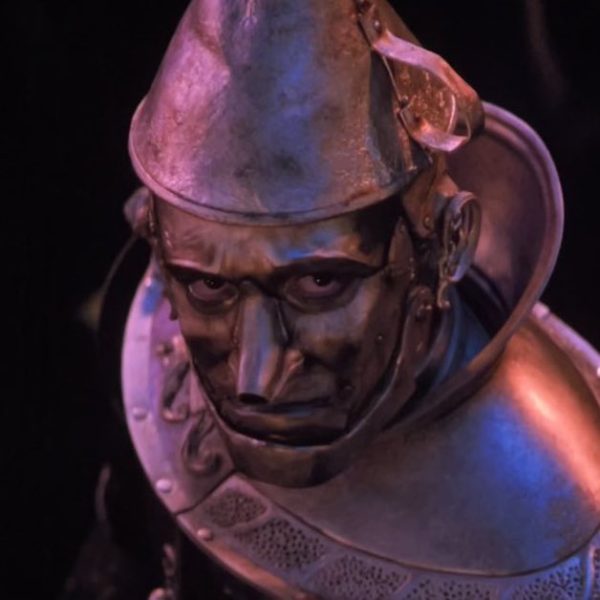
Most notably, the internet has been going crazy over Ethan Slater’s portrayal of the Tin-Man, especially his angrier, darker take on the famous line, “I have a score to settle with Elpha- With the Witch!”
Fans have been loving Slaters dark twist, with tens of thousands of videos pouring out on TikTok over the first week of the films showings issuing quote on quote, ‘formal apologies for doubting [Ethan’s] acting abilities’. Although humorous, these apologies are warranted. While Boq may have flown under the radar as a character, the Tin-Man managed to become one of the most powerfully portrayed characters in the movie.
One of the only critiques of the movie actually gaining traction are those concerning Michelle Yeoh’s portrayal of Madame Morrible. When Wicked came out in November of 2024, Yeoh openly spoke about how Ariana Grande, Cynthia Erivo, and the producers got on a zoom with her begging her to play the role. This ruffled the feathers of many fans as they discovered that unlike Broadway’s Castings for Madame Morrible, Yeoh is unable to sing, and therefore production had to cut lines or alter deliveries of lines in some of the most popular songs from the musical in order to suit Yeoh’s skill-level. Not to mention that the few times she does sing are less than sub-par. There is little-to-no debate over Yeoh’s acting skills, but the criticism lies in the prodctuino disregard for the dual-necesity of both acting and singing talent in order to effectively portray a character in such a beloved musical, with many fans going on to call out the overlooking of Keala Settle, who seems to exceed in both of the areas but was instead given a smaller role in both movies as Miss Coddle, a new character created for the movie.
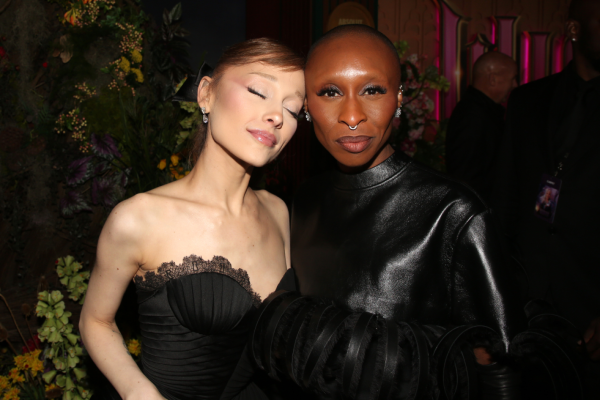
The world has also seen, and judged, Ariana Grande and Cynthia Erivo’s relationship as they have heavily bonded during their press tour. Say what you want about their behavior and status, but their bond undeniably comes across on the screen to create a chemistry between Glinda and Elphaba that truly captures the essence of their best-friendship throughout the musical, which provides the perfect foundation for the rest of the musical’s components to thrive.
The last thing I loved about the movie was something that more so fell into place rather than something that the producers can be credited with, but it adds to the beauty of this musical nonetheless: the message and the context of it.
Wicked and Wicked: For Good tell a tragic and inspiring story of the struggles of minorities and those oppressed, the danger of blindly trusting those in power, and most importantly, the change that can come about by simply changing the people around you for good, especially when changing the whole world seems too daunting.
In a time in human history often characterized by the bad we see, feel, and experience each day; war, hunger, violence, destruction, fighting, and hatred, Wicked and Wicked: For Good offer a simplistically beautiful solution to these problems.
Believe there is good in the world, and more importantly, Be the good.
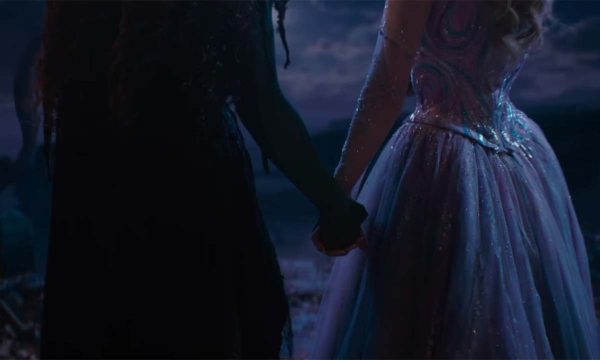
Towards the end of the movie, Glinda and Elphaba sing a beautiful and emotional song entitled, “For Good”, in which they reminisce on all they ways that meeting each other has changed the trajectory of their lives not only for good, but for the better. Glinda and Elphaba redefine goodness, saying, “Good can’t just be a word. It has to mean something. It has to change things”.
Whether you loved or hated the costumes, the actors(because what’s not to love about Jonathon Bailey), the soundtrack and the storyline, the message remains universal and more important than ever.
It’s never to late to change your mind, to start being the good, to give the word ‘good’ a meaning, and to change things for the better.